Digital Occlusion Management in Full-Arch Restorations
Occlusion in Full-Arch Implant Cases
In full-arch prosthetics, balanced occlusion protects the implants, prosthetic screws, and surrounding bone. Improper occlusion leads to:
- Bone loss
- Screw loosening
- Chipping of materials
- TMJ disorders
Hence, the lab must be closely involved in occlusal design, especially when the patient lacks proprioception (common in edentulous arches).
1. Lab’s Role in Digital Occlusal Design
Labs use CAD tools to:
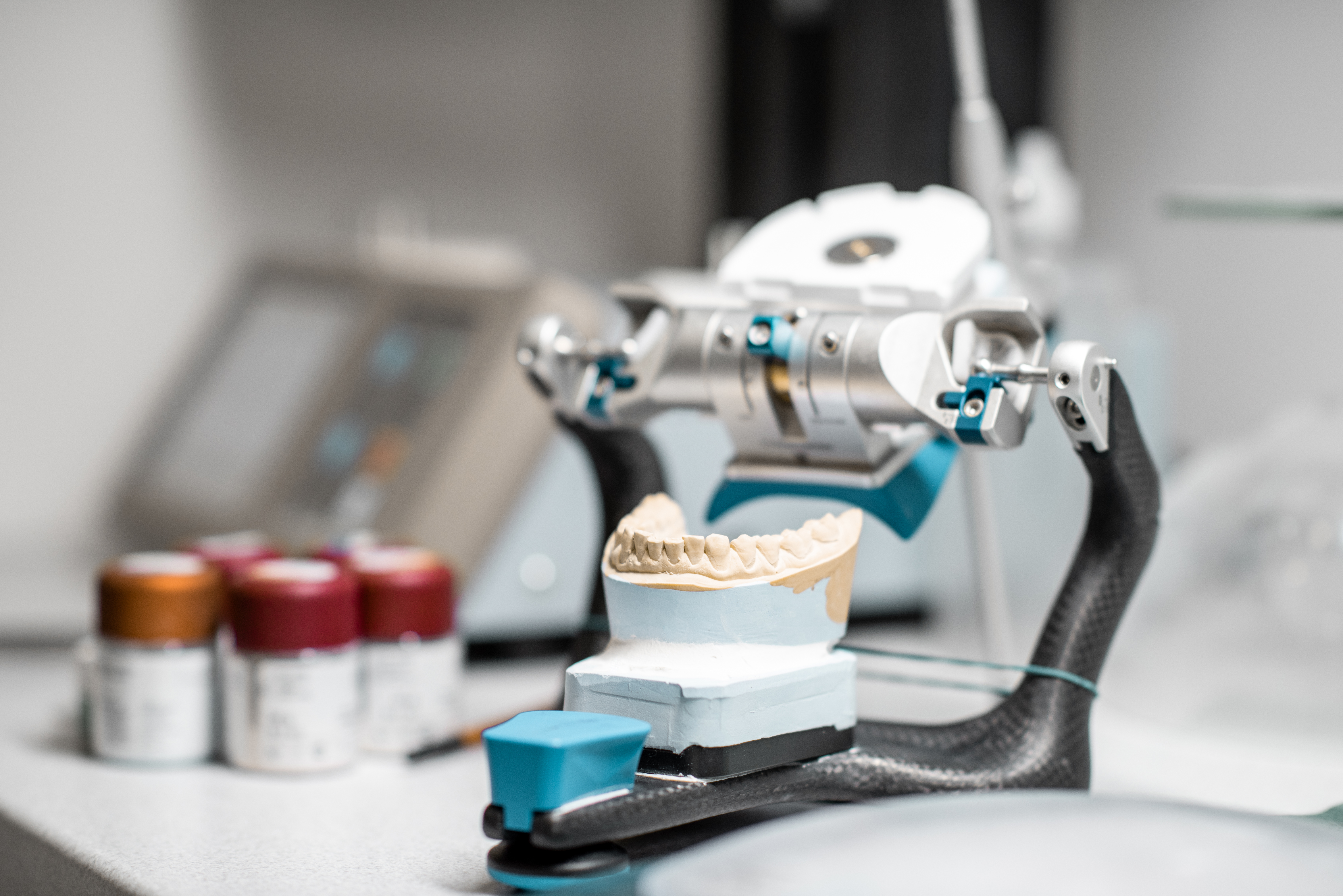
- Virtually mount models on digital articulators
- Simulate excursive movements
- Refine the occlusal plane and contacts
They work alongside dentists to select an occlusal scheme based on the case (e.g., cross-arch stabilization or group function).
2. Capturing Accurate Digital Records
Success begins with capturing the correct vertical dimension of occlusion (VDO). The scan must reflect:
- Centric relation
- No distortion in soft tissue
- Stable bite registration
Errors here cause major issues in occlusion that are hard to fix later. Labs may request a re-scan if data quality is poor.
3. Choosing the Occlusion Scheme
Different cases call for different schemes:
- Monoplane occlusion – for patients with severe bone resorption or neuromuscular instability
- Lingualized occlusion – gives good esthetics and chewing efficiency while reducing lateral forces
- Group function or canine guidance – for more natural occlusal patterns (used cautiously in full-arch)
Labs need this choice documented upfront.
4. Zirconia vs. Acrylic Hybrids
- Zirconia: Rigid, esthetic, durable. Must be milled with precision. Very unforgiving if occlusion is off.
- Acrylic hybrids: Softer, easily repairable, more forgiving. Occlusal wear is faster. Better for transitional cases or bruxers.
Each has different occlusal design considerations that are tailored accordingly.
5. Preventing Occlusal Interferences
Before milling, labs simulate all movements—lateral, protrusive, and retrusive—within the software. Digital articulators: Amanngirrbach or Zirkonzahn help detect early contacts. Labs remove or balance interferences digitally.
6. Dentist–Lab Occlusal Communication
Dentists must clearly communicate:
- The type of occlusion needed
- Midline and cant
- Existing TMJ issues
- History of bruxism or parafunction
Labs send back designs and ask for confirmation before finalizing. Miscommunication here is the #1 cause of prosthetic remake.
7. Critical Occlusal Data for Labs
Labs request:
- Facebow data (if available)
- Interpupillary and occlusal plane references
- Occlusal scheme and VDO
- History of muscle pain or clicking
- Preferred contact strength and location
8. Post-Insertion Adjustments
Even the best digital workflows may require minor post-delivery adjustments. Labs can support dentists with:
- Occlusal marking guides
- In-chair protocols for zirconia vs acrylic
- Screwed-in try-ins to test occlusion before final cementation
Latest News
Full Arch Guided Implant Surgery: Choosing the Right Surgical Guide
A stable surgical guide is a key factor in successful implant dentistry, ensuring precise transfer of digital plans into the patient’s mouth. Excellence in 2026.

What Is a Stable Surgical Guide? A Complete Introduction for Dental Professionals
A stable surgical guide is a key factor in successful implant dentistry, ensuring precise transfer of digital plans into the patient’s mouth. Excellence in 2026.
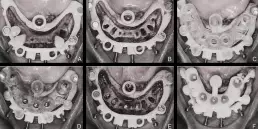
Stackable Surgical Guides in Dentistry: The Future of Precise Dental Implants Surgery
Advances in intraoral scanning, optimized scan protocols, and lab-driven validation provide clinicians and dental labs with powerful tools for excellence in 2025.
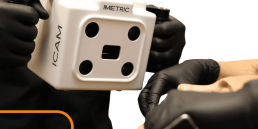
ICAM Photogrammetry: How Confident Dental Lab Delivers Once‑Impossible Full‑Arch Implant Precision
Advances in intraoral scanning, optimized scan protocols, and lab-driven validation provide clinicians and dental labs with powerful tools for excellence in 2025.