
Precision-Made Orthodontic Appliances and Splints: The Role of the Modern Dental Lab
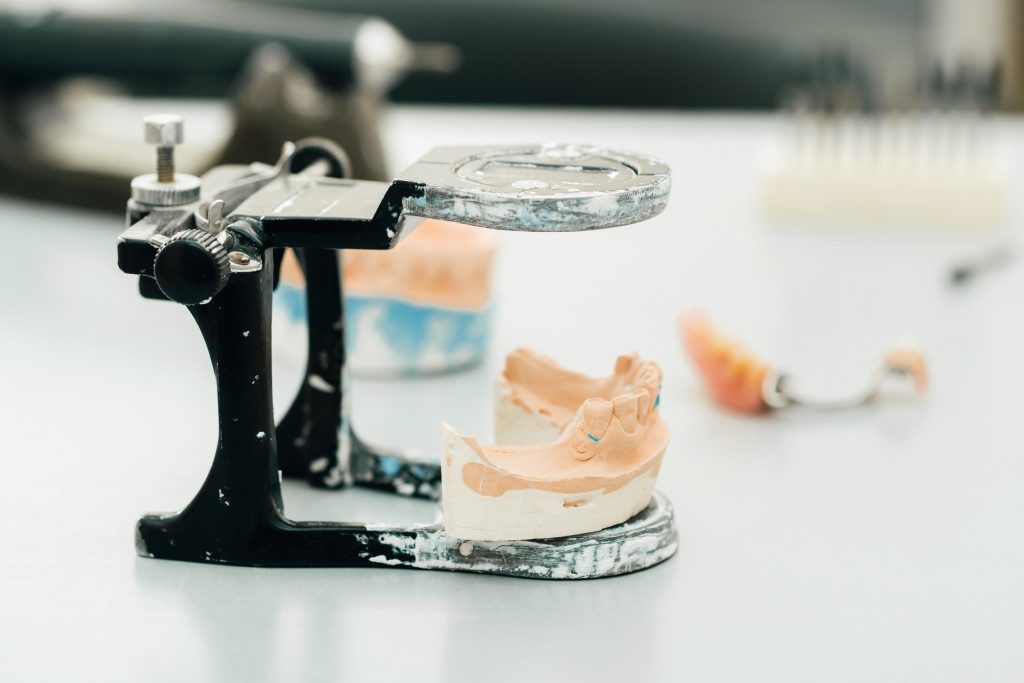 The Role of Dental Labs in Orthodontics and Splints
Dental laboratories collaborate closely with clinicians to design and produce custom orthodontic appliances and splints. Utilizing digital impressions and CAD/CAM technology, labs ensure each device aligns precisely with the patient’s anatomical requirements, enhancing treatment efficacy and comfort.
Types of Orthodontic Appliances Fabricated by Dental Labs
Dental labs produce a diverse array of orthodontic devices tailored to individual treatment plans:
- Removable Retainers: Maintain teeth alignment post-orthodontic treatment.
- Fixed Retainers: Bonded appliances providing continuous support to prevent relapse.
- Space Maintainers: Preserve space for permanent teeth following premature loss of primary teeth.
- Jaw Repositioning Appliances: Also known as splints or bite plates, these devices correct jaw positioning and alleviate temporomandibular joint (TMJ) disorders .
Occlusal Splints: Custom Solutions for TMJ, Bruxism & Bite Stabilization
Occlusal splints are removable dental appliances crafted to address various conditions:
- TMJ Disorders: Stabilize the jaw and reduce joint stress.
- Bruxism: Protect teeth from grinding-induced wear.
- Bite Stabilization: Ensure proper occlusion during restorative procedures.
Constructed from hard acrylic resin, these splints are molded from precise dental impressions to ensure a comfortable and effective fit .
Digital Workflow for Orthodontic and Splint Cases
The integration of digital workflows in dental labs has revolutionized appliance fabrication:
- Intraoral Scanning: Captures accurate digital impressions, eliminating the need for traditional molds.
- CAD Design: Enables precise customization of appliances.
- CAM Fabrication: Facilitates efficient and accurate production of devices.
This digital approach enhances collaboration between dentists and labs, reduces turnaround times, and improves overall treatment outcomes .
3D Printing and Thermoforming in Appliance Manufacturing
Advanced manufacturing techniques have streamlined the production of dental appliances:
- 3D Printing: Allows for rapid and precise fabrication of complex devices, reducing manual labor and production time.
- Thermoforming: Utilized for creating custom-fit appliances by molding heated plastic over dental models.
These technologies ensure high-quality, consistent, and patient-specific appliances.
Why Work With a Confident Dental Lab in Minnesota for Orthodontic Appliances
Confident Dental Lab in Minnesota exemplifies excellence in dental appliance fabrication:
- Comprehensive Services: Offers a wide range of orthodontic and pediatric appliances, including retainers and space maintainers.
- Digital Expertise: Employs cutting-edge digital workflows to enhance precision and efficiency.
- Skilled Technicians: Staffed with experienced professionals dedicated to quality craftsmanship
Collaborating with such a lab ensures reliable, high-quality appliances tailored to specific patient needs.
Latest News
Full Arch Guided Implant Surgery: Choosing the Right Surgical Guide
A stable surgical guide is a key factor in successful implant dentistry, ensuring precise transfer of digital plans into the patient’s mouth. Excellence in 2026.


What Is a Stable Surgical Guide? A Complete Introduction for Dental Professionals
A stable surgical guide is a key factor in successful implant dentistry, ensuring precise transfer of digital plans into the patient’s mouth. Excellence in 2026.
Stackable Surgical Guides in Dentistry: The Future of Precise Dental Implants Surgery
Advances in intraoral scanning, optimized scan protocols, and lab-driven validation provide clinicians and dental labs with powerful tools for excellence in 2025.
ICAM Photogrammetry: How Confident Dental Lab Delivers Once‑Impossible Full‑Arch Implant Precision
Advances in intraoral scanning, optimized scan protocols, and lab-driven validation provide clinicians and dental labs with powerful tools for excellence in 2025.