
Treatment Planning for Fixed Implant Dentures
1. Key Factors to Consider in Treatment Planning
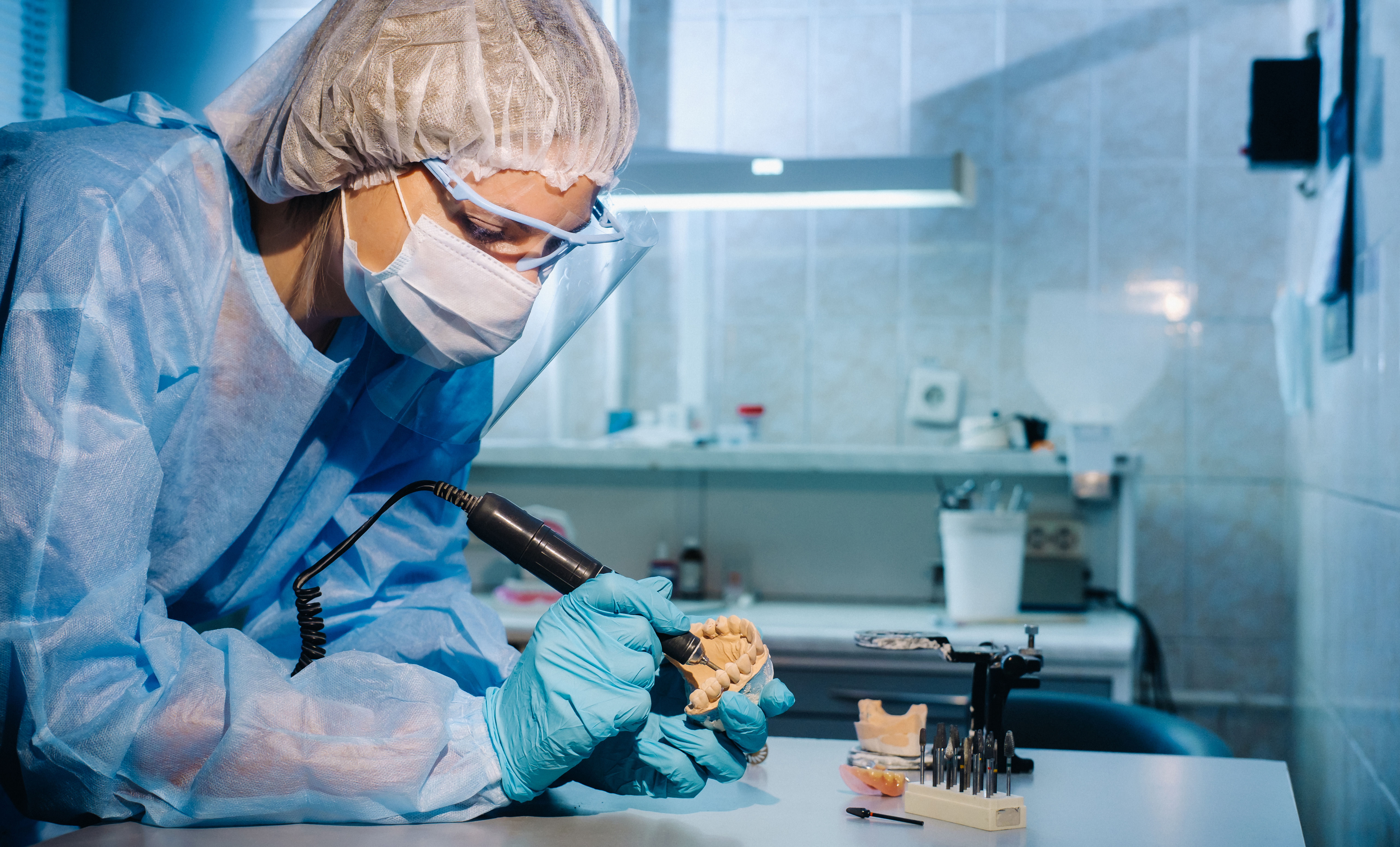
Effective treatment planning for fixed implant dentures involves a thorough assessment of the patient’s medical and dental history, including any systemic conditions that may affect healing or implant success. Collaborative planning between the surgical and restorative teams is essential to ensure that both functional and aesthetic outcomes are achieved.
2. Comprehensive Patient Assessment for Implant Dentures
A comprehensive patient assessment includes evaluating the patient’s oral and systemic health, discussing their expectations, and conducting necessary diagnostic tests such as imaging and impressions. This assessment helps in identifying suitable candidates for implant therapy and in planning the appropriate treatment approach.
3. Pre-Surgical Planning
Pre-surgical planning involves creating a detailed surgical guide based on the patient’s anatomy and prosthetic requirements. This phase may utilize computer-assisted implant surgery (CAIS) to enhance precision in implant placement, thereby improving clinical outcomes and reducing complications.
4. Choosing the Right Implant System for Dentures
Selecting an appropriate implant system is crucial for the long-term success of implant-supported dentures. Factors to consider include the system's compatibility with the patient’s bone structure, the quality of materials used, and the reputation of the manufacturer.
5. Surgical Phase: What to Expect
During the surgical phase, implants are placed into the jawbone under local anesthesia or sedation. The procedure’s complexity varies based on individual cases, and patients can generally expect a recovery period involving some swelling and discomfort. Detailed post-operative care instructions are provided to facilitate healing.
6. Post-Surgical Care and Recovery
Post-surgical care includes following specific guidelines to promote healing, such as maintaining oral hygiene, adhering to dietary recommendations, and attending follow-up appointments. Monitoring for signs of infection or implant failure is essential during the recovery phase.
7. Final Prosthetic Design and Placement
Once osseointegration is confirmed, the final prosthetic is designed to match the patient’s natural dentition in function and appearance. This phase involves taking final impressions, selecting appropriate materials, and ensuring proper fit and occlusion before placement.
8. Long-Term Maintenance and Care of Implant Fixed Dentures
Long-term maintenance involves regular dental check-ups, professional cleanings, and daily at-home care to ensure the longevity of implant-supported dentures. Patients are educated on recognizing signs of complications and the importance of maintaining good oral hygiene practices.
Latest News

ICAM Photogrammetry: How Confident Dental Lab Delivers Once‑Impossible Full‑Arch Implant Precision
Advances in intraoral scanning, optimized scan protocols, and lab-driven validation provide clinicians and dental labs with powerful tools for excellence in 2025.

Zirconia Crowns: Benefits, Types, and Why Dentists Prefer Them
Zirconia crowns consist of zirconium dioxide, a crystalline ceramic engineered for exceptional toughness in restorative dentistry.

How a High-Quality Dental Lab Reduces Chair Time for Dentists
High-quality labs provide restorations that fit right away, so dentists can increase their weekly appointments by 15-25%. With digital tools and automation, workflows can move up…
Intraoral Scanning Advances Every Dentist Should Know in 2025: Full-Arch Implant Restoration Insights for Dental Labs
Advances in intraoral scanning, optimized scan protocols, and lab-driven validation provide clinicians and dental labs with powerful tools for excellence in 2025.