The Benefits of a Dental Lab with CAD/CAM Technology
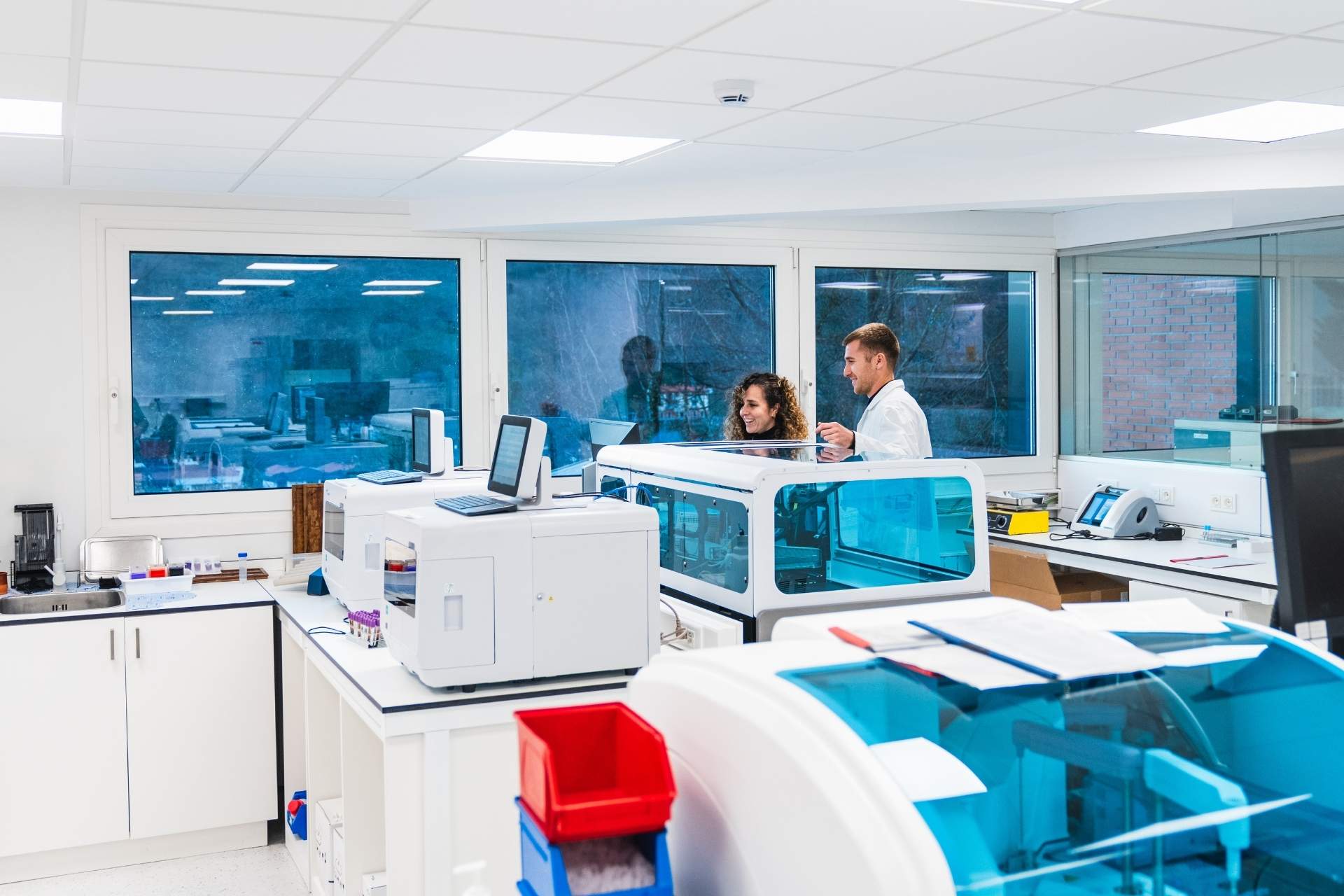
Modern hospital clinical lab with technicians using advanced equipment to analyze simultaneous blood samples. The field of dentistry has undergone remarkable advancements in recent years, particularly with the introduction of CAD/CAM (Computer-Aided Design/Computer-Aided Manufacturing) technology in dental labs. This cutting-edge technology has revolutionized how dental prosthetics like crowns, bridges, veneers, and inlays are designed and manufactured. CAD/CAM technology allows for greater precision, efficiency, and customization in dental restorations, benefiting dental professionals and patients. Below, we explore the key benefits of using a dental lab equipped with CAD/CAM technology.
1. Improved Accuracy and Precision
One of the biggest advantages of CAD/CAM technology is the unparalleled accuracy it offers in the design and production of dental prosthetics. Traditional methods of manually crafting crowns and bridges can lead to small discrepancies in fit and shape. However, with CAD/CAM, the design is digitally mapped using advanced software, ensuring every millimeter is perfectly accounted for. This high level of precision results in better-fitting restorations that provide comfort and function, reducing the need for adjustments and remakes.
2. Faster Turnaround Times
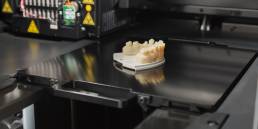
The workflow is significantly faster in a dental lab equipped with CAD/CAM technology than in traditional methods. Digital impressions are taken and immediately sent to the lab, where the design process can begin without delays. With automated milling machines producing restorations in-house, the entire process is streamlined. This reduces turnaround times from weeks to just a few days, allowing dentists to offer quicker treatments to patients. For patients requiring urgent dental work, this speed can make a significant difference in their experience.
3. Customization and Personalization
CAD/CAM technology enables dental technicians to create highly customized prosthetics tailored to each patient’s unique dental anatomy. By using 3D digital models of the patient’s mouth, technicians can craft restorations that mimic the exact size, shape, and color of the patient’s natural teeth. This level of personalization results in restorations that blend seamlessly with surrounding teeth, ensuring a natural-looking smile. It also improves patient satisfaction, as the prosthetics not only restore function but also enhance aesthetics.
4. Enhanced Material Options
The use of CAD/CAM technology opens up a wide range of material options for dental restorations. With this technology, labs can easily work with materials like zirconia, lithium disilicate, and high- strength ceramics, which are known for their durability and aesthetic qualities. These materials can be precisely milled to create strong, long-lasting restorations that are both functional and visually appealing. The versatility of materials also means that dentists can choose the best option for their patient’s specific needs, whether it’s strength, aesthetics, or cost.
5. Reduced Human Error
While traditional dental restorations rely heavily on manual craftsmanship, CAD/CAM technology reduces the margin for human error by automating much of the design and manufacturing process. The digital nature of CAD software minimizes the risk of mistakes during the design phase, while automated milling ensures consistency in the final product. This not only improves the quality of restorations but also reduces the likelihood of remakes or costly adjustments, saving time and resources for both the dental lab and the dentist.
6. Better Communication and Collaboration
CAD/CAM technology enhances communication between dental labs and dentists. Digital files, including 3D images and designs, can be shared instantly, allowing for real-time collaboration between the lab and the dental office. This makes it easier for both parties to discuss any necessary adjustments, modifications, or preferences. Dentists can also review and approve designs before they are fabricated, ensuring the final product meets their expectations. This seamless communication results in fewer errors and better outcomes for the patient.
Conclusion
CAD/CAM technology in dental labs has transformed the way dental restorations are made, bringing numerous benefits to dentists, patients, and technicians. From improved precision and faster turnaround times to greater customization and enhanced material options, the advantages of this technology are undeniable. By reducing human error and fostering better collaboration, CAD/CAM technology ensures a higher quality of care, making it a valuable asset to any dental lab. As dental technology continues to evolve, the integration of CAD/CAM will remain a crucial component in delivering optimal dental solutions.
Latest News
ICAM Photogrammetry: How Confident Dental Lab Delivers Once‑Impossible Full‑Arch Implant Precision
Advances in intraoral scanning, optimized scan protocols, and lab-driven validation provide clinicians and dental labs with powerful tools for excellence in 2025.

Zirconia Crowns: Benefits, Types, and Why Dentists Prefer Them
Zirconia crowns consist of zirconium dioxide, a crystalline ceramic engineered for exceptional toughness in restorative dentistry.

How a High-Quality Dental Lab Reduces Chair Time for Dentists
High-quality labs provide restorations that fit right away, so dentists can increase their weekly appointments by 15-25%. With digital tools and automation, workflows can move up…
Intraoral Scanning Advances Every Dentist Should Know in 2025: Full-Arch Implant Restoration Insights for Dental Labs
Advances in intraoral scanning, optimized scan protocols, and lab-driven validation provide clinicians and dental labs with powerful tools for excellence in 2025.